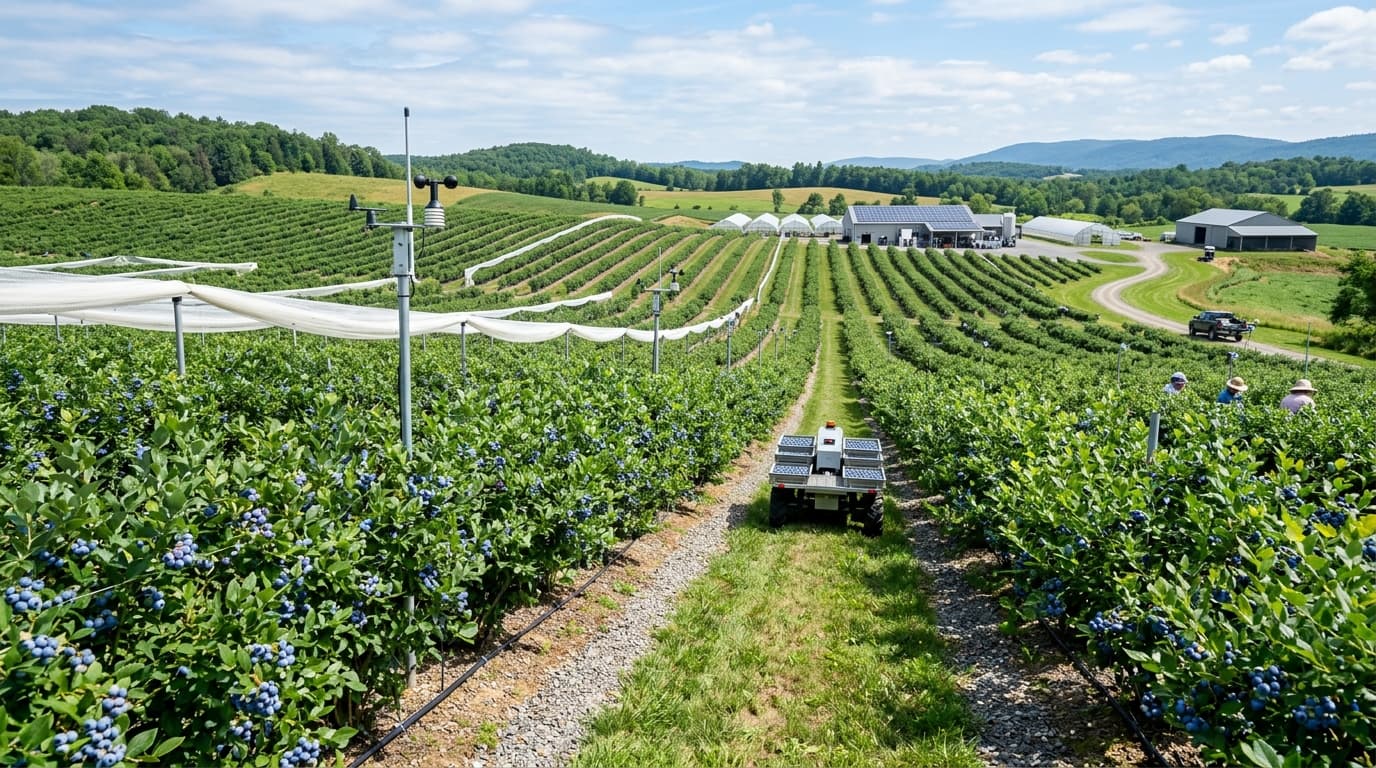
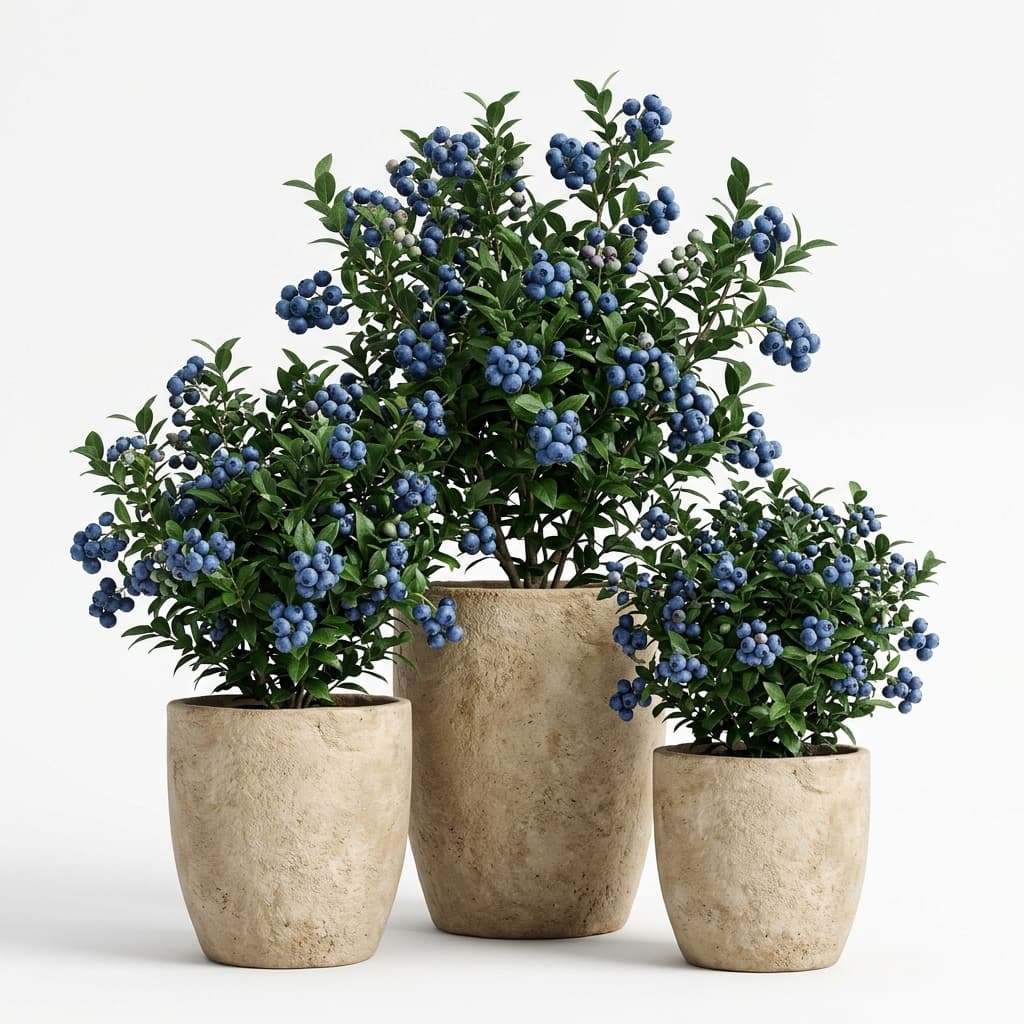
Mastering Blueberry Cultivation: Acidity, Soil & High Altitude Climates
Gurdev Singh
Lead Pomologist & Nursery Director
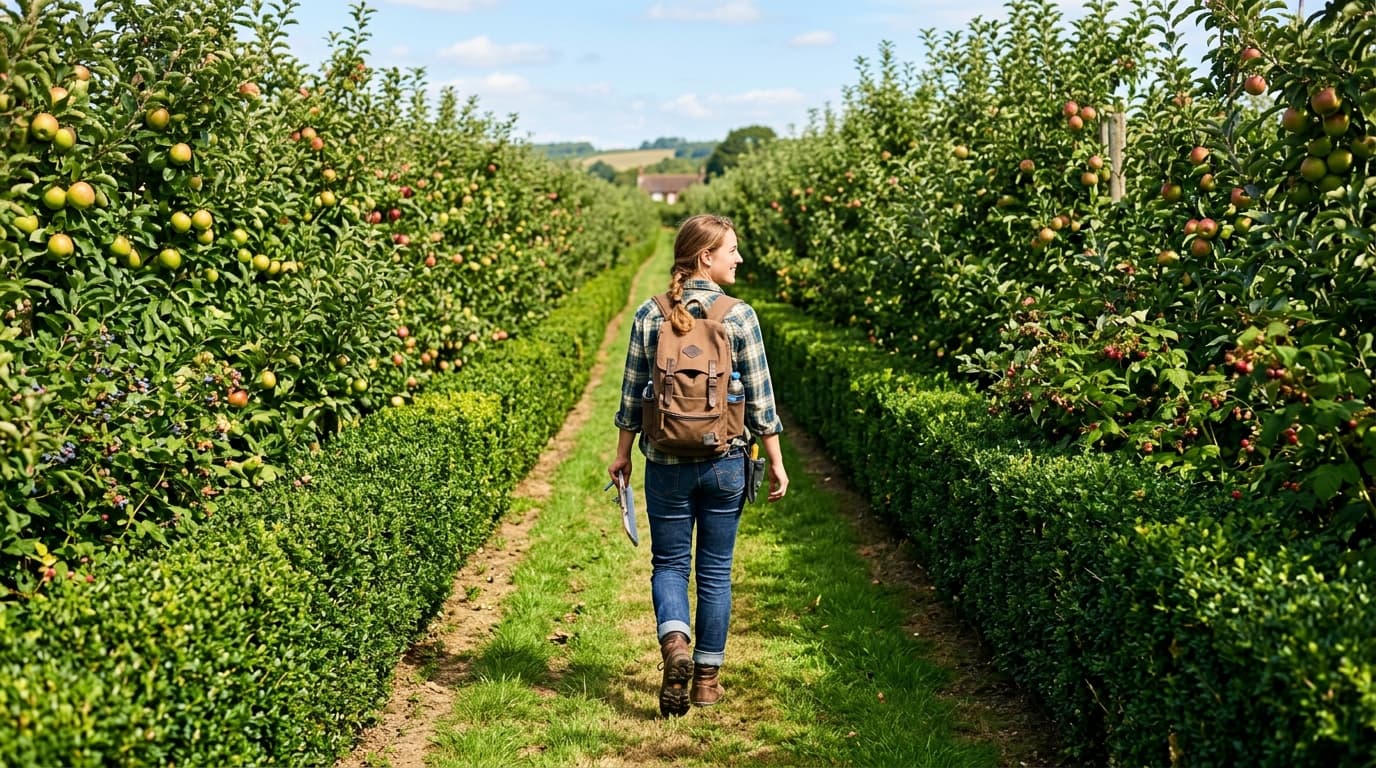
The Secret Behind High-Altitude Himalayan Blueberries
Blueberries (Vaccinium corymbosum) are among the most rewarding fruiting shrubs to cultivate. However, they possess a distinct root physiology requiring unique acidic substrate conditions and well-drained, airy root zones.
1. Soil Acidity & Substrate Chemistry
Standard garden soil with neutral pH (6.5 - 7.5) causes rapid iron chlorosis in blueberries. At Fungani, our potted plants are grown in a specialized blend of pine bark, coco peat, sulfur inoculants, and organic compost to maintain a steady pH of 4.8.
2. Winter Chill Hours & Vernalization
Our Southern Highbush and Northern Highbush cultivars require between 300 to 800 hours of temperatures below 7°C to initiate dense spring flowering. The Kullu Valley's brisk winters provide the ideal climatic trigger.
3. Drip Irrigation & Water Quality
Blueberries have shallow, fibrous root networks without root hairs. They cannot tolerate drought nor waterlogging. Applying pine-needle mulch prevents moisture loss and keeps roots insulated during summer heat spikes.